Product Care Guides
Care that keeps every kitchen routine feeling considered.
Simple cleaning, thoughtful placement and regular checks can help countertop appliances remain easier to use. Start with the product manual, then build a practical care routine around the parts that touch food, water, heat and everyday kitchen surfaces.
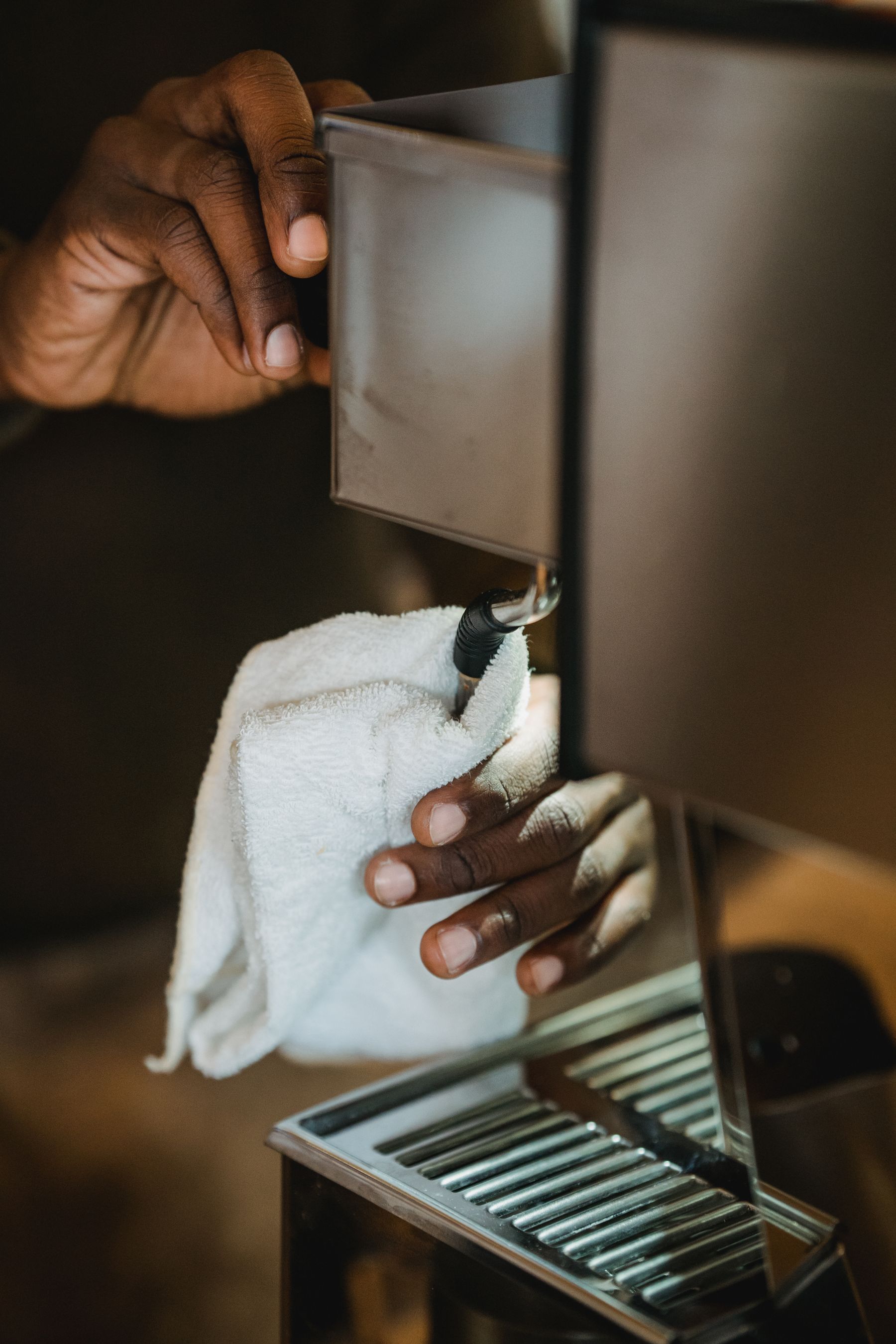
A four-step care rhythm for everyday appliances.
Use this as a general framework for blenders, coffee makers, air fryers, mixers, kettles, food processors and other countertop appliances. Product-specific instructions should always take priority.
Power down before care.
Switch the appliance off, disconnect it from power and wait until hot surfaces, blades or moving parts have fully stopped and cooled.
Before every cleanSeparate removable parts.
Take out baskets, lids, jugs, beaters, trays or filters only as directed. Keep the motor base and electrical connections away from water.
Work in sectionsWash with gentle materials.
Use a soft cloth, non-abrasive sponge and mild dish soap where permitted. Avoid harsh scouring tools that may mark coatings or controls.
Protect finishesDry, inspect and reset.
Allow every part to dry completely. Check cords, seals, vents and contact points, then reassemble the appliance without forcing pieces into place.
Ready for next use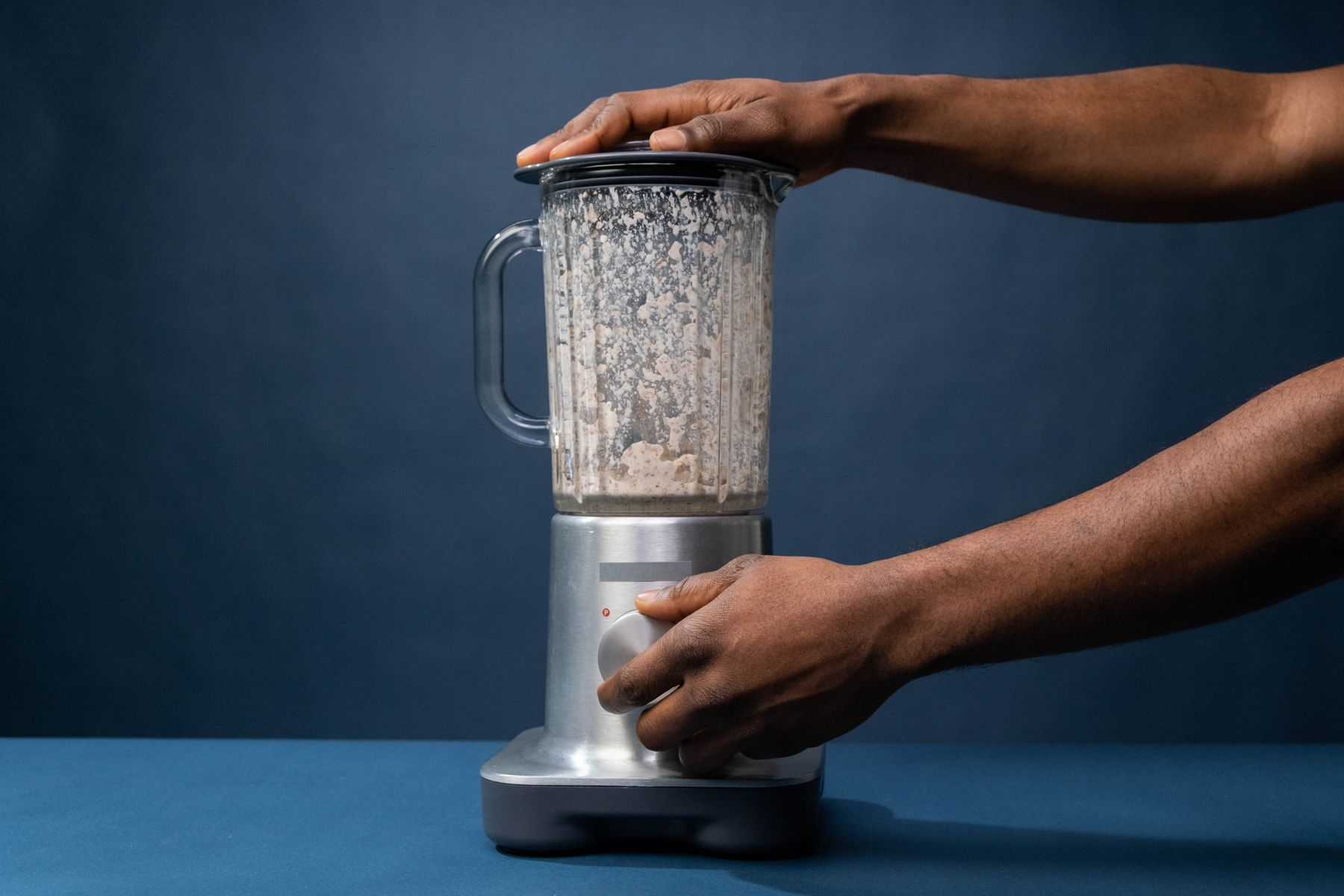
Keep blades, bowls and seals ready for the next recipe.
Blenders, choppers and food processors collect residue around lids, gaskets, blade hubs and locking points. Cleaning these areas soon after use helps make the next setup clearer and easier.
- Handle sharp parts carefully and only by the safe gripping areas described in the product manual.
- Check lid channels and gasket grooves for trapped ingredients before drying and reassembly.
- Wipe the motor base with a lightly damp cloth, then dry it without immersing or rinsing electrical parts.
Care guidance by kitchen routine.
Different appliances meet different combinations of heat, water, oils, coffee residue and food particles. Focus attention where each product works hardest.
Air fryers and countertop cooking.
Allow the appliance to cool, then remove grease and crumbs from permitted baskets, trays and interior surfaces.
- Keep vents clear and unobstructed.
- Avoid abrasive tools on nonstick surfaces.
- Dry baskets before returning them to the unit.
Coffee makers and espresso machines.
Rinse removable brewing parts, wipe steam-contact areas and follow the manufacturer’s schedule for descaling.
- Empty grounds and drip trays regularly.
- Use only approved descaling methods.
- Dry water tanks and removable parts as directed.
Kettles and beverage appliances.
Empty standing water, wipe the exterior and treat mineral buildup only with the method specified for that model.
- Keep the electrical base dry.
- Check filters and lids for buildup.
- Do not overfill beyond marked limits.
Mixers and baking appliances.
Remove beaters, hooks, bowls and guards as directed, then clear flour and batter from connection points.
- Wait for moving parts to stop fully.
- Wipe housing and controls gently.
- Store attachments dry and organized.
Rice cookers and multicookers.
Clean removable pots and lids, then check steam channels, seals and condensation areas for trapped moisture.
- Protect coated cooking pots from scratches.
- Keep heating plates free of dried residue.
- Dry seal areas before closing the lid.
Toasters, grills and breakfast tools.
Clear crumbs or removable plates only after unplugging and cooling, following the instructions for each appliance.
- Empty crumb trays without shaking the unit.
- Remove grease from approved grill surfaces.
- Keep cords away from residual heat.
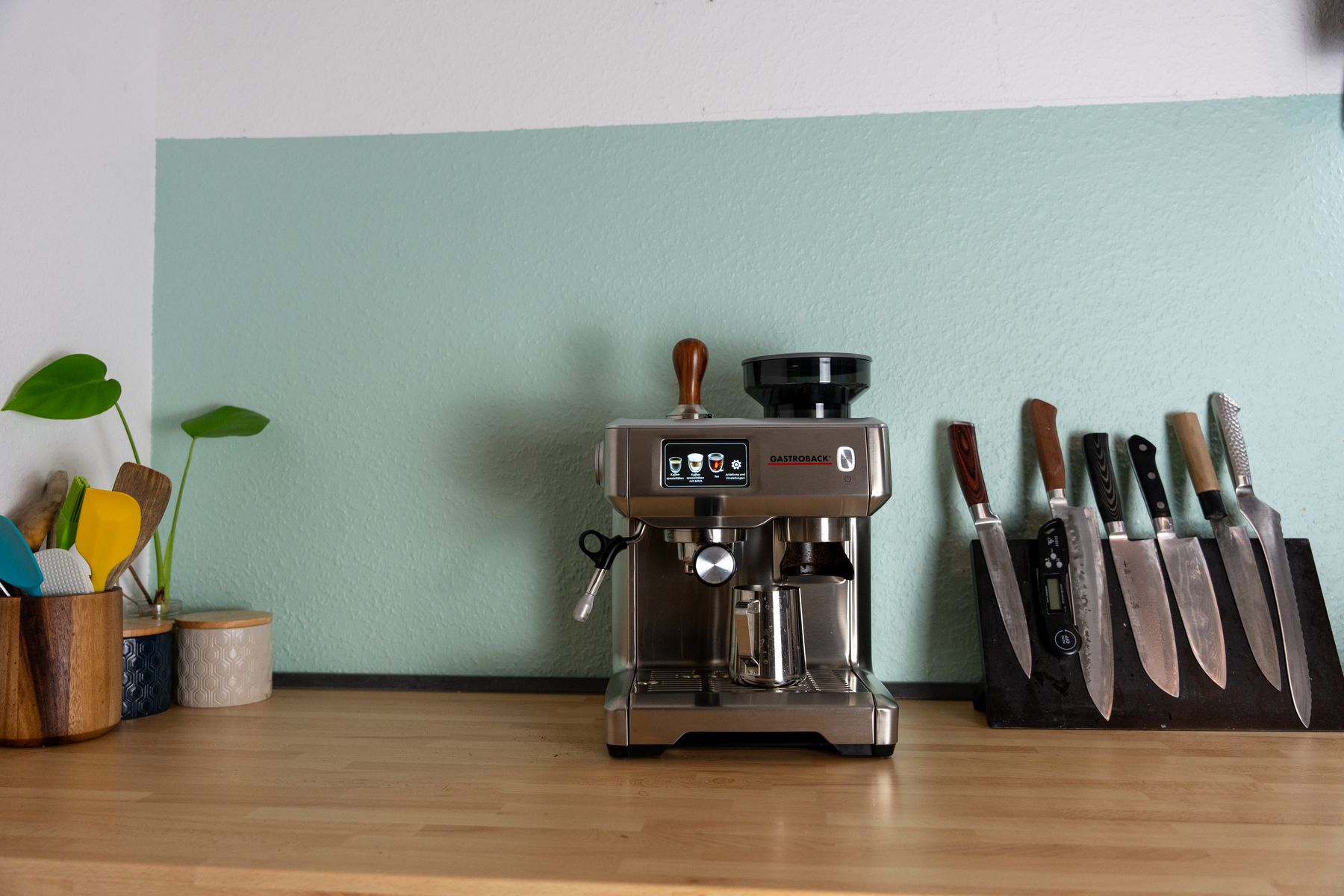
Give every appliance a clear working zone.
Leave the ventilation, lid-opening and filling space recommended for the product. Keep cords tidy, controls reachable and heat-sensitive items away from warm surfaces.
Placement and airflow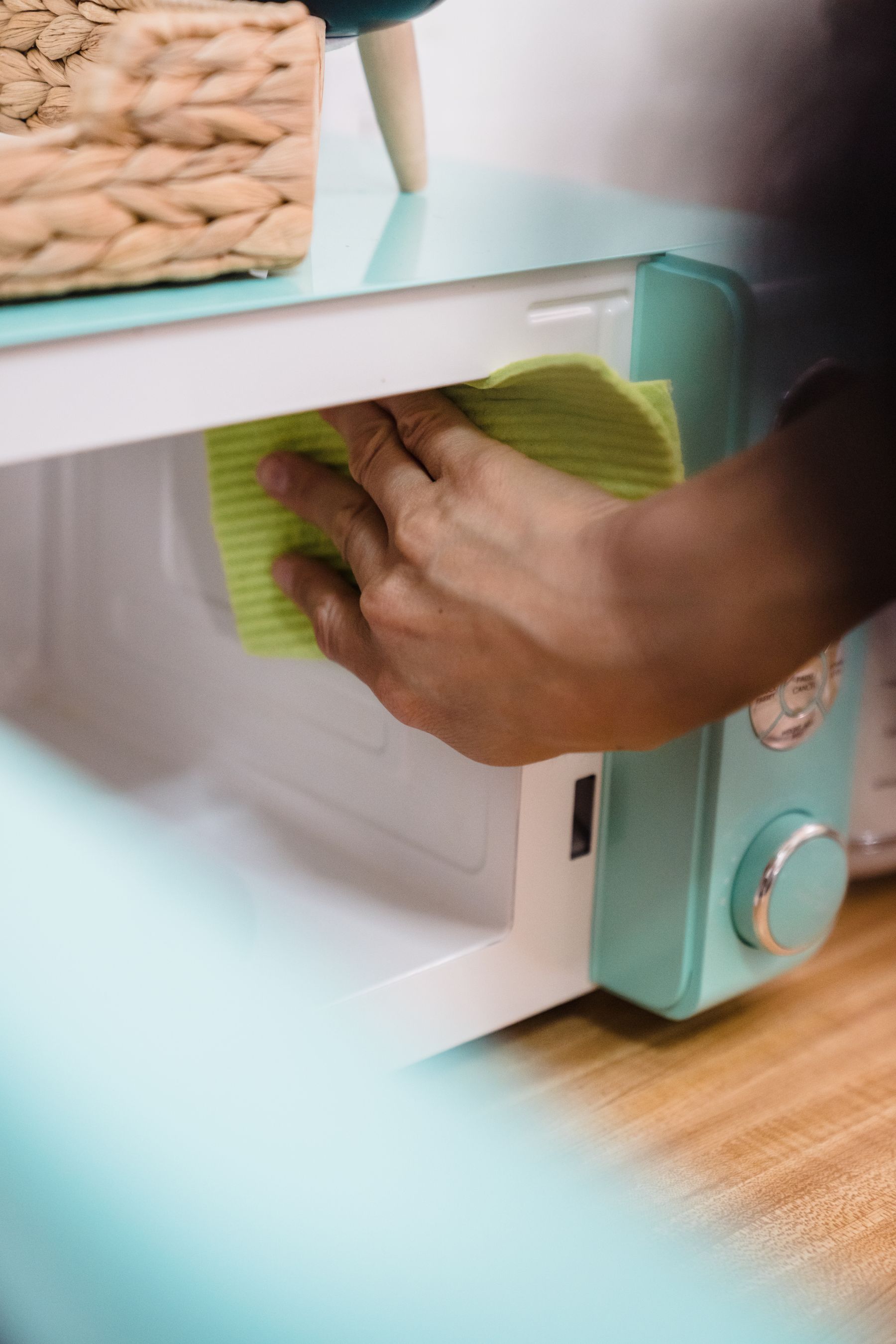
Use gentle tools for detailed cleaning.
A soft cloth and non-abrasive sponge are useful starting points for approved surfaces. Avoid flooding controls, vents, heating elements or electrical connections.
Surface careFrequently asked care questions.
These answers provide general guidance for everyday countertop appliances. Always compare them with the instructions supplied with your specific product.
Can every removable part go in the dishwasher?
No. Dishwasher suitability depends on the product, material and finish. Check the appliance manual before placing baskets, lids, jugs, blades, seals or coated parts in a dishwasher.
How often should I descale a coffee maker or kettle?
Frequency depends on the appliance, water conditions and usage. Follow the manufacturer’s schedule and use only the descaling process and solution recommended for that model.
What should I use on a nonstick basket or cooking plate?
Use the cleaning tools and detergent allowed by the product instructions. In general, soft sponges and non-abrasive materials are better suited to coated surfaces than metal or harsh scouring tools.
Why should appliance parts dry completely before reassembly?
Drying helps prevent trapped moisture around seals, storage areas and connection points. Place parts where air can circulate and reassemble only when they are fully dry.
When should I stop using an appliance and request support?
Stop and seek guidance if you notice a damaged cord, loose part, unusual smell, unexpected noise, visible cracking, leaking near electrical areas or behavior that differs from the product instructions.
Need help identifying the right care routine?
Share the appliance type and the care question with HomeFlavor. Clear product details make it easier to guide the next step.