Recipe Journal
Everyday recipes shaped around the appliances you use.
Explore practical ideas for smoothies, coffee, breakfast, baking and countertop cooking. Each journal entry starts with a real kitchen task, then pairs clear preparation steps with appliance-aware guidance.
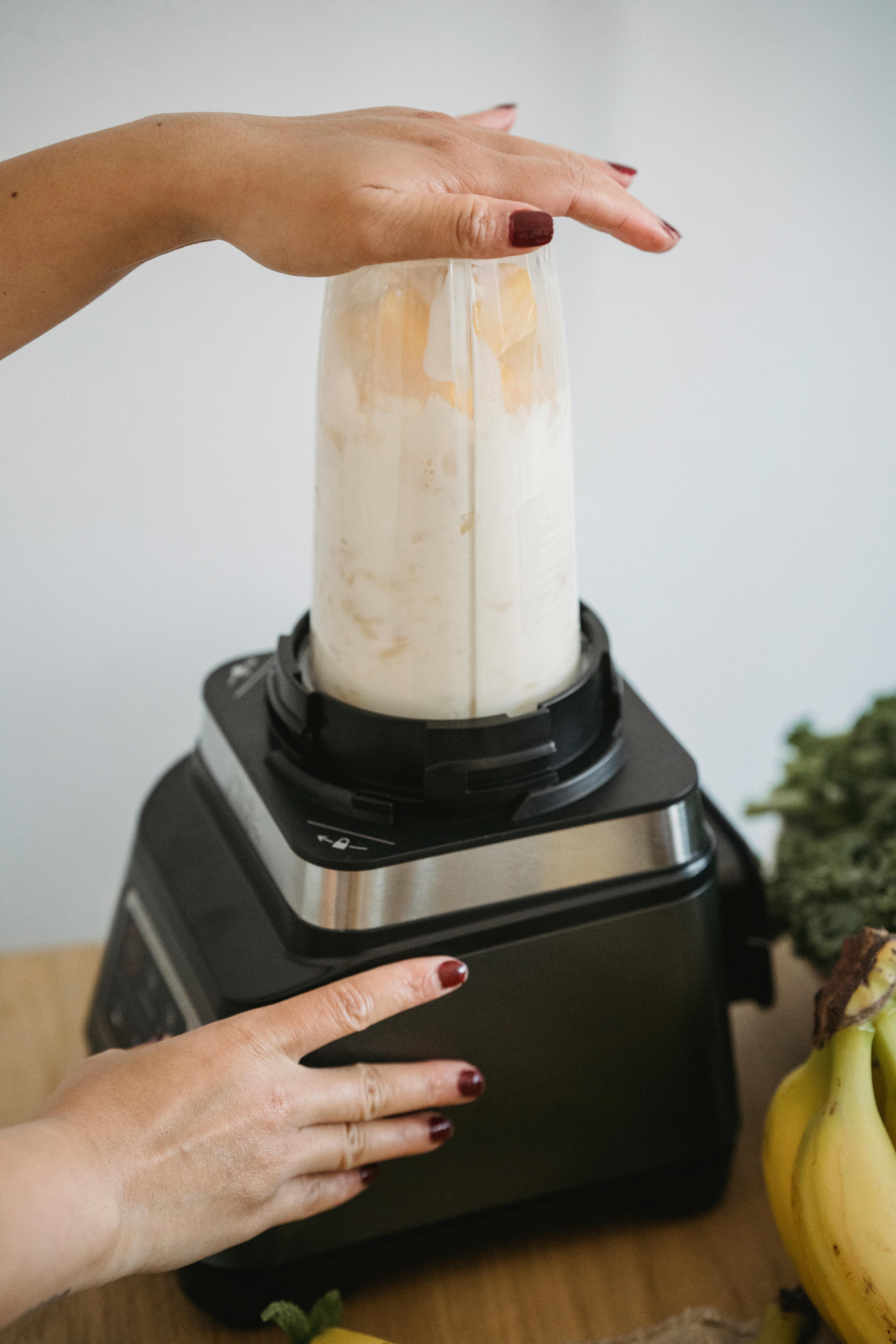
Begin with the appliance, then build the method
Capacity, speed, heat and cleanup needs all influence how a recipe fits your routine.
Choose a kitchen path
Find ideas by the task on your counter
The Recipe Journal is organized around familiar preparation moments rather than complicated categories. Start with the appliance or result you have in mind, then use the notes to plan ingredients, capacity, timing and cleanup.
Blend and pour
Smoothies, sauces, soups and drinks with practical layering and batch-size notes.
Blenders and immersion blenders
Brew and warm
Coffee, tea and simple morning drinks with clear water, temperature and serving guidance.
Coffee makers and kettles
Mix and bake
Batters, doughs and whipped mixtures with attachment and texture checkpoints.
Stand mixers and hand mixers
Toast and crisp
Compact breakfast and countertop-cooking ideas built around even spacing and controlled batches.
Toasters, ovens and air fryers
Cook and hold
Rice, grains, soups and slow-cooked meals with preparation and serving timing in mind.
Rice cookers and multicookers
Journal starters
Three recipes to shape a smoother kitchen rhythm
These editorial recipe concepts are designed as flexible starting points. Adjust quantities to your appliance capacity, taste as you work, and follow the product manual for operation, temperature and cleaning guidance.
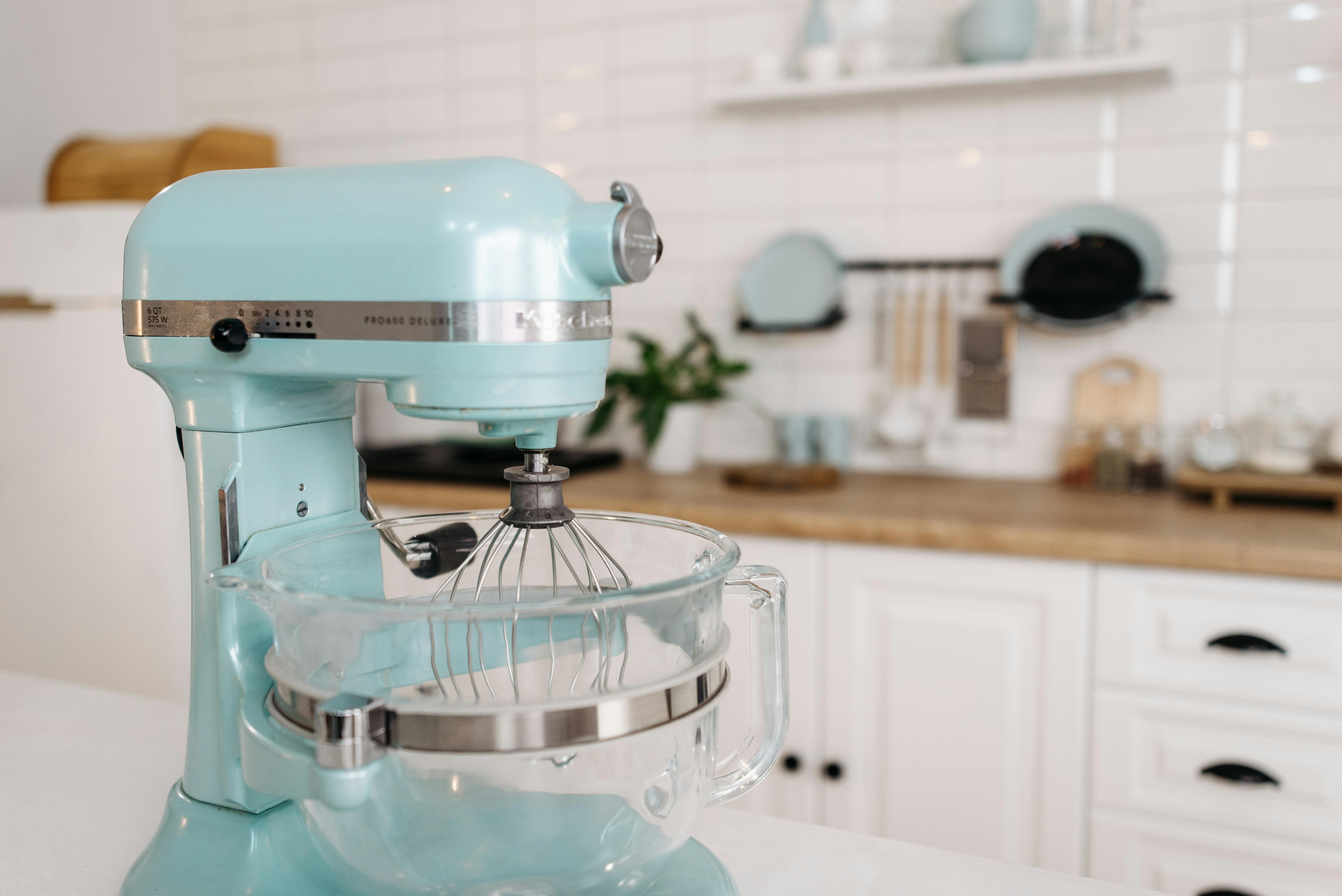
Weekend baking
Soft breakfast batter with a clean mixing sequence
Bring ingredients to a similar temperature, combine dry components separately, then mix only until the texture looks even. A measured sequence helps reduce overmixing and keeps cleanup predictable.

Morning routine
Coffee-first breakfast with fewer countertop steps
Prepare the brew station, plates and breakfast ingredients before heating begins. Keeping the sequence compact makes it easier to manage coffee, toast and a simple pan-cooked component at the same time.

Fast preparation
Layered smoothie for more consistent blending
Add liquid first, softer ingredients next and dense or frozen pieces last. Leave enough headroom for circulation, secure the lid and begin at a lower speed before increasing as needed.
A better recipe method
Write the appliance into the recipe before you begin.
A recipe becomes easier to repeat when capacity, attachment, heat, clearance and cleaning are considered alongside the ingredients. Use this four-part check before starting a new breakfast, beverage or baking idea.
- 01 Confirm the appliance capacity and the size of the planned batch.
- 02 Select the correct bowl, basket, blade, whisk or brewing accessory.
- 03 Arrange ingredients in the order the appliance can process most evenly.
- 04 Leave a clear path for safe cooling, unplugging and cleaning afterward.

Recipe rhythm
A calm four-step flow for everyday cooking
The most useful recipe notes do more than list ingredients. They make setup, processing, checking and cleanup feel like one continuous kitchen routine.
Step one
Prepare the station
Clear the work surface, position the appliance, confirm ventilation and keep the cord away from heat and water.
Placement before ingredients
Step two
Measure the batch
Match ingredient volume to the bowl, jar, basket, carafe or cooker capacity shown for the appliance.
Capacity guides consistency
Step three
Watch the change
Use visible texture, aroma and doneness cues alongside the selected appliance setting and recipe timing.
Check before adding more time
Step four
Cool and clean
Switch off, unplug when appropriate, allow heated parts to cool and follow the care instructions for removable components.
Finish the routine safely
Useful kitchen notes
Small details that make recipes easier to repeat
These practical reminders help connect a recipe idea to the appliance on your counter without overcomplicating the cooking process.
Layer ingredients thoughtfully
For blenders and food processors, ingredient order can improve circulation and reduce unnecessary stopping.
- Begin with liquid when the recipe allows.
- Keep dense or frozen pieces within the stated capacity.
- Pause and scrape only after the appliance is switched off.
Give heat room to move
Countertop ovens, air fryers and grills perform best when food spacing and appliance ventilation are considered.
- Avoid crowding the basket or cooking surface.
- Keep exterior vents clear during operation.
- Use heat-safe tools and surfaces as directed.
Record what worked
A short note about quantity, setting and texture can make the next batch easier to prepare with the same appliance.
- Note the actual batch size used.
- Record texture or doneness checkpoints.
- Adjust gradually rather than changing every variable.
From the journal
Appliance-led ideas for the week ahead
Use these prompts to plan a simple kitchen week: one prepared beverage, one baking session and one countertop-cooking moment that fits the time and tools you already have.
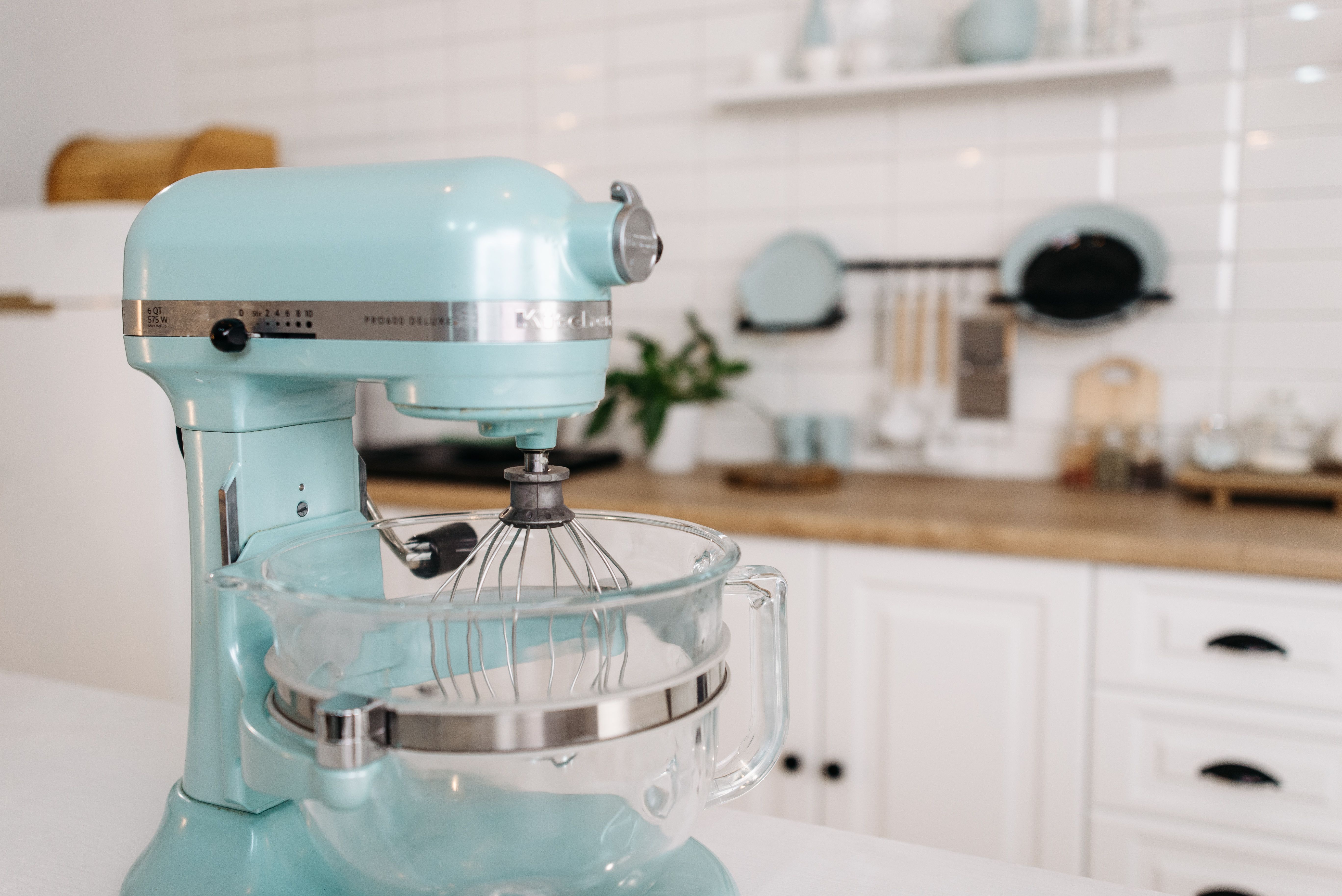
Baking note
Build a flexible base batter, then divide the flavors
Mix one balanced base, stop when the texture becomes uniform, then divide it into smaller portions for different additions. This keeps the appliance workflow efficient while allowing variety without multiple full mixing cycles.
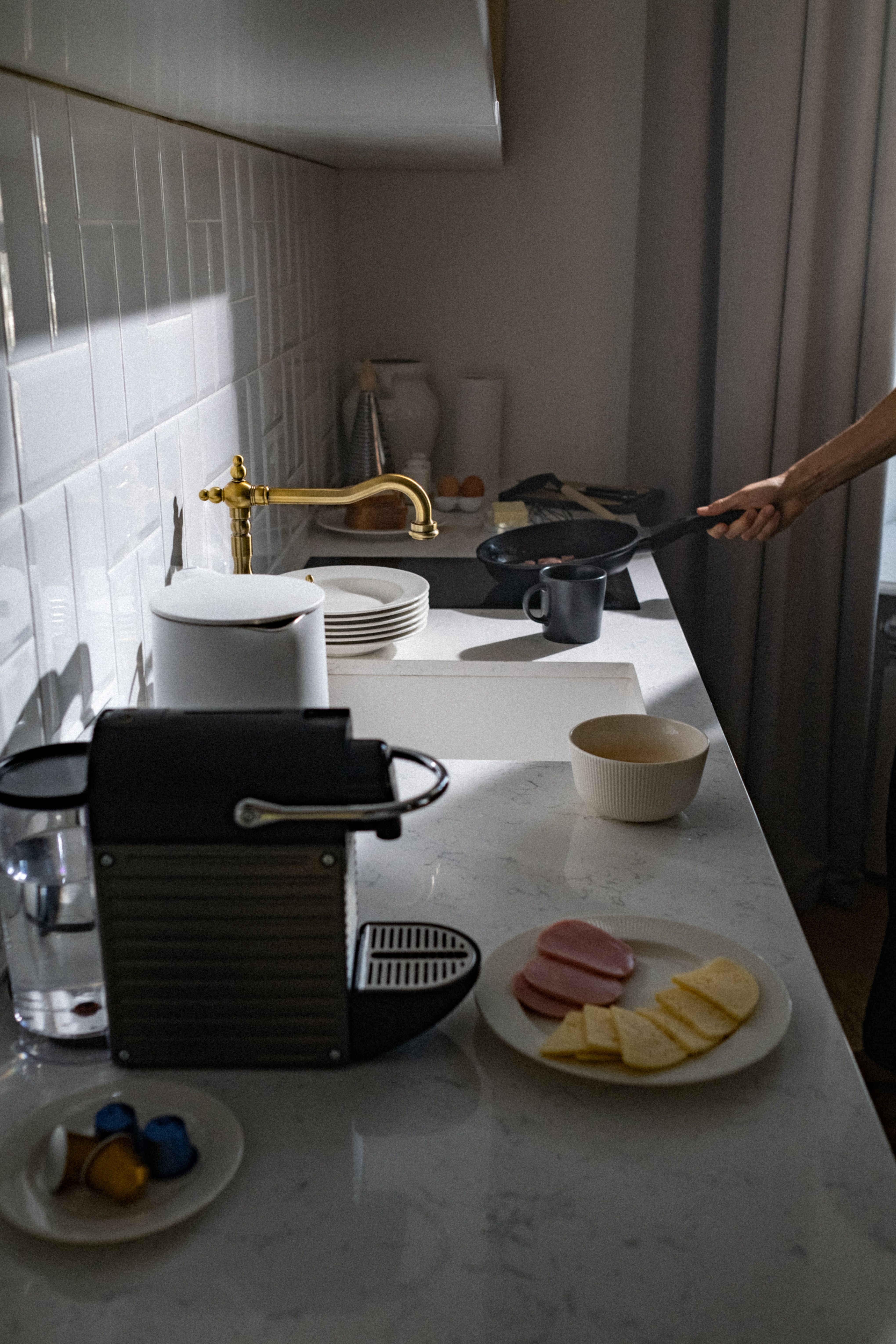
Breakfast note
Set the morning station the night before
Place dry ingredients, cups and nonperishable tools where they are easy to reach, while keeping water and fresh ingredients ready for the morning.
HomeFlavor support
Need help choosing an appliance for your cooking routine?
Tell HomeFlavor what you prepare most often, how much countertop space you have and which functions matter to you. Product dimensions, capacity and care requirements are useful starting points for a more practical choice.
Phone
(484) 454-4106Address
306 DORCHESTER AVE, Reading, PA 19609Order processing
3–5 business days